Address
304 North Cardinal St.
Dorchester Center, MA 02124
Work Hours
Monday to Friday: 7AM - 7PM
Weekend: 10AM - 5PM

Address
304 North Cardinal St.
Dorchester Center, MA 02124
Work Hours
Monday to Friday: 7AM - 7PM
Weekend: 10AM - 5PM

Aviation management operations, a complex and dynamic regulatory environment and industry shift is happening now.
Author: Dave Gajadhar
Dynamic Shift
February 2026 Edition
Aviation management operates within a complex and dynamic regulatory environment.
An industry shift is underway, and your pathway forward is clear.
In 2026, Aviation management is moving past the post-pandemic recovery phase and entering a period of structural transformation.
Additionally, the industry faces a Triple Crunch. It includes decarbonization mandates and a shift toward Automation and AI-native operations in a fragmented regulatory landscape.
For aviation leaders, the “pathway forward” is no longer about just increasing seat capacity—it’s about managing data integrity, workforce relevance and environmental accountability as core operational pillars.
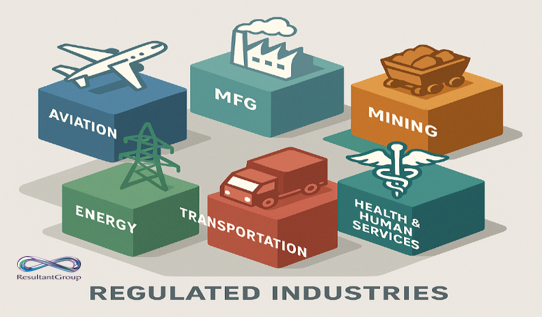
The Complex Regulatory Web of 2026
In North America, we have officially entered the era of “Total Lifecycle Compliance.” Regulators (FAA, EASA, and Transport Canada) have shifted from retrospective reporting to real-time oversight.
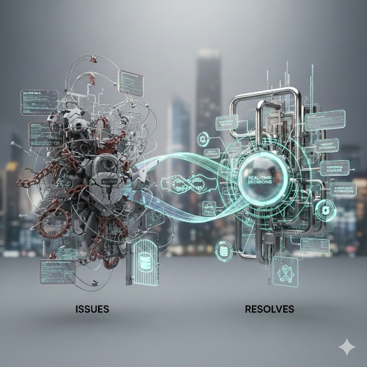
2. The Dynamic Industry Shift: From Digital to “AI-Native”
The shift happening right now is a move from digitalization (replacing paper with iPads) to intelligent automation.
3. The Pathway Forward: Strategic Priorities
To succeed in this landscape, aviation management must pivot from a “flight-first” to “people and data-first” strategy.
| Priority | Actionable Strategy |
| Data Governance | Move beyond silos. Ensure maintenance, fuel, and passenger data are integrated into a single “Source of Truth” for regulatory auditing. |
| Workforce Re-skilling | The 2026 talent gap isn’t just for pilots; it’s for “Aviation Data Analysts.” Teams must be trained to manage AI-driven decision tools. |
| Sustainability as Alpha | Treat Sustainable Aviation Fuel (SAF) and carbon credits as a strategic hedge against future taxes, not just a compliance cost. |
| Resilient Supply Chains | Diversify sourcing for critical aerospace components (like rare earth metals) to protect against geopolitical volatility. |
We are at one of those moments where the industry’s tectonic plates are shifting under everyone’s feet, and AMOs that move now will define the next decade. A pathway that blends your instincts with the operational reality of regulatory evolution.
However, The Shift Already Underway
Regulators and industry bodies are converging around a few unmistakable vectors:
This isn’t incremental change. It’s a reframing of what an AMO is—from a repair shop to a systems‑integrated assurance partner.
Because we need A Pathway Forward for AMOs
A modern AMO needs a transformation arc that is both operational and cultural. Think of it as a four‑stage ceremonial progression—each stage building capability, credibility, and regulatory alignment.
1. Stabilize the Core (0–6 months)
2. Integrate and Elevate (6–18 months)
3. Expand Capability and Influence (18–36 months)
4. Become a Future‑Ready AMO (36+ months)
This transition isn’t just procedural—it’s essential.
However, AMOs need:
This is where our craft shines—turning dry regulatory shifts into a story leaders and technicians can inhabit, embrace and execute.
Our workshops can help you build a Modular Pathway;
The Bottom Line
Aviation management in 2026 is a high-stakes balancing act. Moving forward requires embracing regulatory agility. Treating new rules not as hurdles, but as the framework for a more efficient, transparent, and profitable industry.
Contact us for more information on our workshops near you:
Name
Address
Organization
Role
Submit your request here……………..
www.leader_hive.com