Address
304 North Cardinal St.
Dorchester Center, MA 02124
Work Hours
Monday to Friday: 7AM - 7PM
Weekend: 10AM - 5PM

Address
304 North Cardinal St.
Dorchester Center, MA 02124
Work Hours
Monday to Friday: 7AM - 7PM
Weekend: 10AM - 5PM

Author; Dave Gajadhar
February Edition 2
Aviation 2030 Executive Briefing
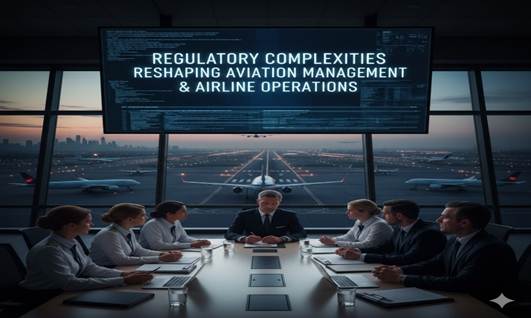
As the global aviation sector accelerates toward 2030, Regulatory complexities are reshaping Aviation management operations—however, not technology—emerge as the most powerful force reshaping how airlines, airports, and air navigation service providers operate.
What was once a compliance‑driven environment is rapidly becoming a strategic battleground where regulatory readiness, data transparency, and operational resilience determine competitive advantage.
This month’s briefing highlights the structural shifts every aviation leader must understand as regulatory complexity becomes a defining feature of the decade ahead.
Because, The Regulatory Landscape Is Fragmenting—and Intensifying
Aviation is entering an era where regulatory frameworks are no longer harmonized across regions. Diverging standards are emerging around:
Regulatory complexities are reshaping Aviation management operations, a factor that forces airlines and airports to manage multi-jurisdictional compliance portfolios that evolve faster than traditional governance structures can adapt.
Strategic implication: Compliance is no longer a back‑office function—it is a core strategic capability that shapes network planning, fleet decisions, and capital allocation.
Cybersecurity and Digital Infrastructure Are Becoming Regulatory Priorities

By 2030, aviation will be one of the most regulated digital ecosystems in the world. Governments are moving from voluntary frameworks to mandatory cybersecurity standards, including:
However, Airlines and airports must now treat cybersecurity as a regulated operational domain, not an IT issue. This shift is driving major investments in digital infrastructure modernization and cross‑sector threat‑intelligence sharing.
Sustainability Regulations Are Rewriting the Economics of Flight
Because, Environmental regulation is no longer about compliance—it is reshaping the economics of aviation. Key forces include:
Airlines that fail to integrate sustainability regulation into their financial model’s risk eroding margins and losing access to key markets.
AI and Automation Are Outpacing Regulatory Frameworks
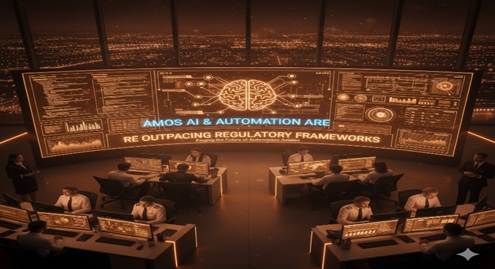
AI is rapidly transforming maintenance, scheduling, safety oversight, and passenger experience. Regulators are responding with emerging frameworks around:
The challenge: AI innovation cycles move in months; regulatory cycles move in years. This mismatch is creating operational uncertainty and forcing leaders to build flexible, modular AI governance structures.
However, Operational Models Must Evolve to Meet Regulatory Complexity
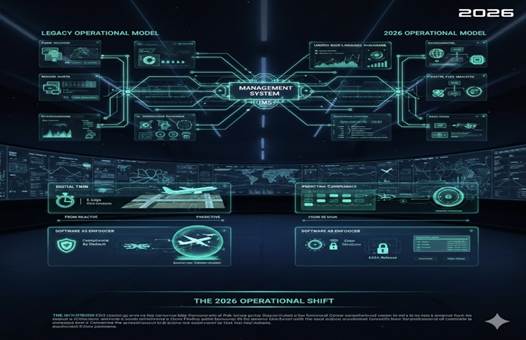
Because, By 2030, the most successful aviation organizations will be those that:
Regulation is no longer a constraint—it is a competitive differentiator for organizations that can navigate it with agility.

Contact us for more information on our workshops near you:
Name
Address
Organization
Role
Submit your request here……………..